
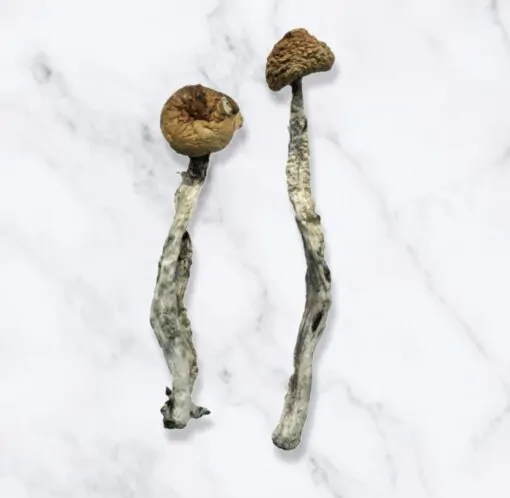
Z-Strain Magic Mushrooms
Price range: $200.00 through $1,200.00
Magic Mushroom Potency Rating Scale
1 – Mildly Potent (Mexican)
2 – Moderately Potent (Golden Teacher, African Transkei, B+, Z-Strain, Brazilian)
3 – Potent (Cambodian, Wollongong)
4 – Very Potent (Penis Envy, Albino Penis Envy, Penis Envy Uncut)
5 – Extremely Potent (Blue Meanie)
Z-Strain Magic Mushrooms is a commonly used name for a recognized lineage of Psilocybe cubensis. Within mushroom communities, Z-Strain is generally treated as a named variety or isolate rather than a separate species. The name has been associated with Psilocybe cubensis for many years and remains a familiar term in discussions surrounding mushroom taxonomy, microscopy, genetics, and the history of cultivated varieties.
The exact origin of Z-Strain is not completely established. Historical accounts commonly connect the name with an early-2000s source associated with the online mushroom community, while other accounts have suggested possible relationships with older Psilocybe cubensis varieties. Because many named cubensis varieties developed through informal community propagation, documentation of their original genetics can be limited. As a result, claims about the precise ancestry of Z-Strain should be treated as historical accounts rather than definitive scientific conclusions.
From a biological perspective, Z-Strain belongs to the broader Psilocybe cubensis species. Modern discussions of cubensis varieties often use the word “strain,” although “cultivar,” “lineage,” or “isolate” may sometimes be more accurate depending on the context. A scientific species and a community-assigned variety name are not the same thing. Z-Strain therefore should not be interpreted as a separate mushroom species.
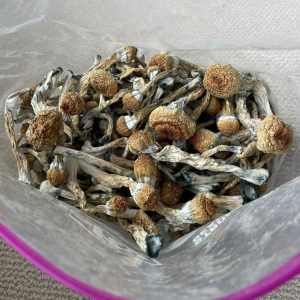
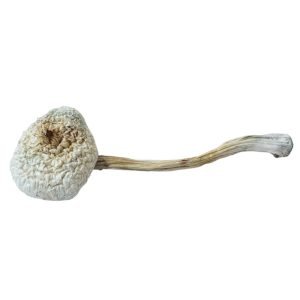
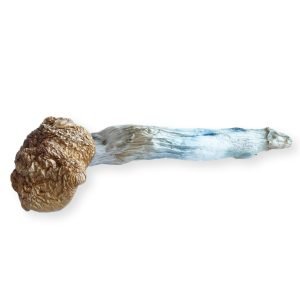
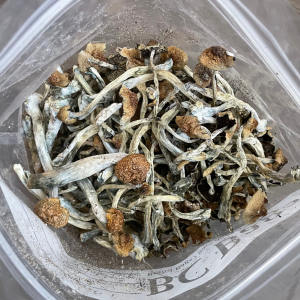
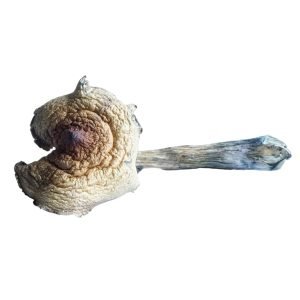
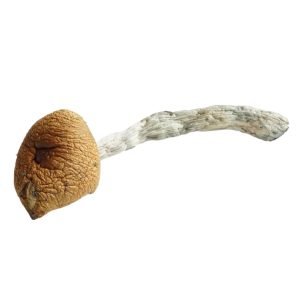
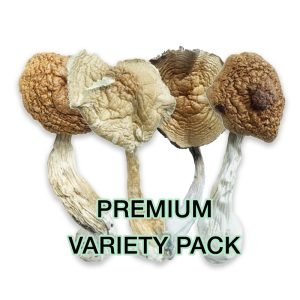
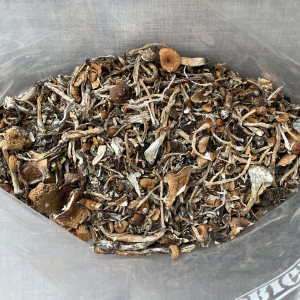
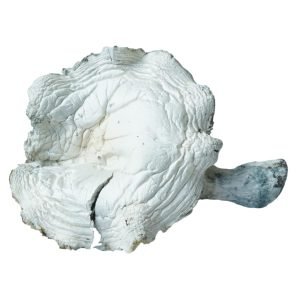
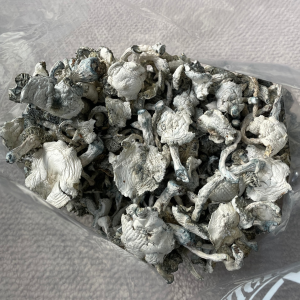
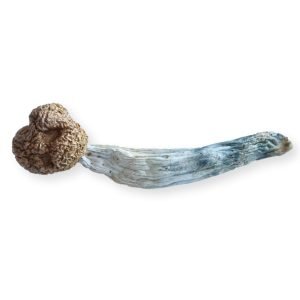
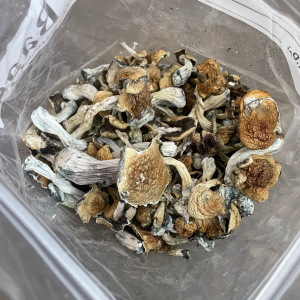
Descriptions of Z-Strain commonly mention a relatively distinctive appearance, with caps that may develop golden, tan, or brown coloration and stems that can appear pale or whitish. Individual specimens can vary considerably, however. Environmental conditions, genetics, maturity, and specimen development can all influence the final appearance of a mushroom. For this reason, appearance alone should not be considered definitive evidence for identifying Z-Strain.
Z-Strain is also frequently discussed because of its reputation within historical mushroom communities. Some sources describe the lineage as vigorous or fast-growing, but these claims are largely based on community reports rather than standardized scientific comparisons. Different samples sold or circulated under the same name may also have different genetic backgrounds, making broad claims about consistent characteristics difficult to verify.
Research into Psilocybe cubensis has increasingly demonstrated that named varieties can have complex genetic histories. Commercially propagated cultivars may experience selective breeding, genetic bottlenecks, and repeated isolation over generations. Consequently, a variety name can describe a community-recognized lineage without necessarily representing a genetically uniform population.
For people researching Z-Strain Magic Mushrooms from a mycological perspective, useful areas of study include fungal taxonomy, spore morphology, genetic diversity, historical cultivar development, and the relationship between community naming practices and formal biological classification. These subjects provide a more reliable framework for understanding what the Z-Strain name represents.
It is also important to recognize that Psilocybe cubensis contains psychoactive compounds, including psilocybin and psilocin. Laws concerning these mushrooms and related materials vary considerably between jurisdictions. Anyone researching Z-Strain or other Psilocybe varieties should therefore understand the laws applicable to their location.
Overall, Z-Strain Magic Mushrooms represents a well-known example of a community-named Psilocybe cubensis lineage. Its history, naming conventions, morphology, and genetic background make it an interesting subject for educational mycology research, while its exact origins remain less certain than the histories of formally documented fungal species.
| Variations | Half pounds, Oz, Pounds, Quarter pounds |
|---|
Related products
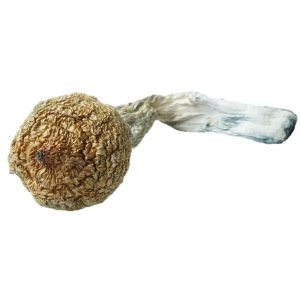
Dried Magic Mushrooms
Dried Magic Mushrooms
Dried Magic Mushrooms
Dried Magic Mushrooms
Dried Magic Mushrooms
Dried Magic Mushrooms
Dried Magic Mushrooms