Texas Yellow Caps – Psilocybe cubensis Variety Guide
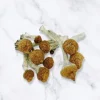
Price range: $200.00 through $1,200.00
Texas Yellow Cap magic mushrooms are best known for their spiritual properties or effects rather than entirely “tripping”. They were developed in 1998 by an amateur mycologist within the community. Coming from (you guessed it) Texas, this strain originates from the Texas Orange Cap mushrooms which were a tamed version of the wild Texan Cubensis strain. Texas Yellow Caps are a great strain for beginners, offering a psychedelic effect without going too deep into a trip. When consuming these little mushies, they will give you a feeling of open-mindedness and help you connect with the world around you.
Texas Yellow Caps – Psilocybe cubensis Variety Guide
Texas Yellow Caps is a name commonly associated with a variety of Psilocybe cubensis, a species of mushroom recognized for its distinctive appearance and long history within mycological research and mushroom culture. The Texas Yellow name is generally used to describe a particular P. cubensis lineage or variety associated with Texas, although historical documentation surrounding individual cultivated varieties can be inconsistent.
Psilocybe cubensis itself is a scientifically recognized species within the genus Psilocybe. The species was first formally described in the early twentieth century and has subsequently been studied extensively from taxonomic, ecological, and chemical perspectives. Different cultivated varieties have developed their own names based on geographic origins, selective propagation, morphology, or community history.
The Texas Yellow Caps name is particularly interesting because several historical community sources connect the variety with Texas-associated P. cubensis genetics. Some accounts describe Texas Yellow Cap as a selected lineage originating from Texas Orange Cap material, while other sources provide less certain descriptions of its background. Because these histories are not consistently documented in peer-reviewed literature, claims about exact lineage should be treated cautiously rather than presented as established scientific facts.
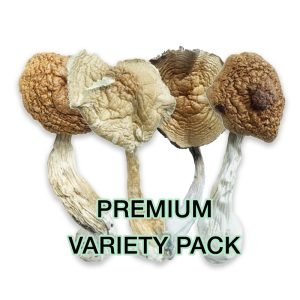
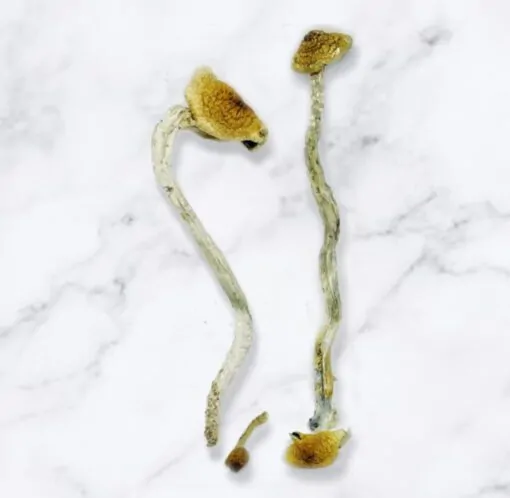
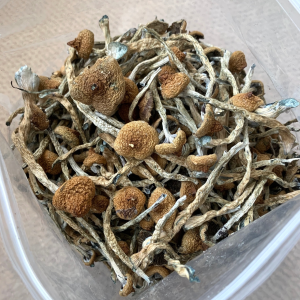
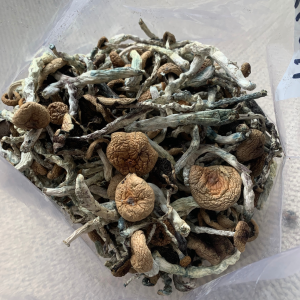
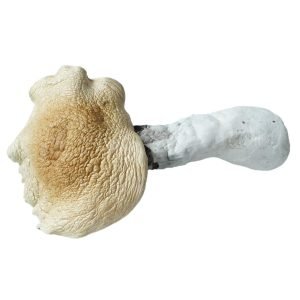
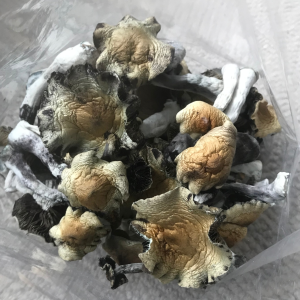
From a morphological perspective, the name Texas Yellow Caps reflects the characteristic yellow or golden coloration often associated with descriptions of this variety. However, mushroom appearance can vary according to genetics, maturity, environmental conditions, and specimen development. Color alone should therefore not be considered sufficient for reliable identification.
Modern research into Psilocybe cubensis varieties has also demonstrated why individual variety names should not automatically be interpreted as completely separate biological species. A recent scientific review examined several named P. cubensis strains, including Texas Yellow, and documented measurable differences in chemical composition among laboratory-grown samples. At the same time, the authors emphasized that research into the genetics, chemistry, and consistency of named varieties remains an area where additional controlled study is needed.
For people interested in Texas Yellow Caps, the variety can therefore be viewed as an interesting subject within mushroom taxonomy, fungal genetics, and the broader history of cultivated Psilocybe cubensis. Its name reflects a combination of geographic association and community-developed varietal terminology rather than establishing a separate species.
It is also important to distinguish scientific information from informal claims found online. Names used by mushroom communities do not always have standardized taxonomic definitions, and descriptions can differ between sources. Researchers and enthusiasts should therefore consider the provenance of specimens and the reliability of the information used when studying a particular P. cubensis variety.
Because Psilocybe cubensis contains psychoactive compounds, laws surrounding the mushroom and related materials vary significantly between jurisdictions. Anyone researching Texas Yellow Caps should check the laws applicable to their location and distinguish legitimate educational or scientific information from activities that may be restricted.
Overall, Texas Yellow Caps represents an interesting example of the many named varieties associated with Psilocybe cubensis. Its geographic association, distinctive naming history, and place within modern mushroom culture make it a useful topic for educational mycology research and discussion.
| Variations | Half pounds, Oz, Pounds, Quarter pounds |
|---|
Related products
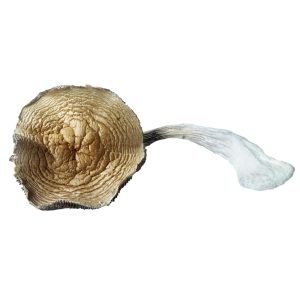
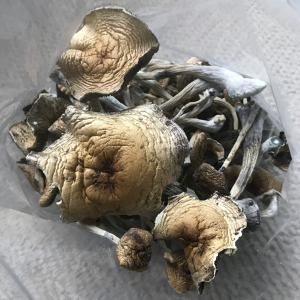
Dried Magic Mushrooms
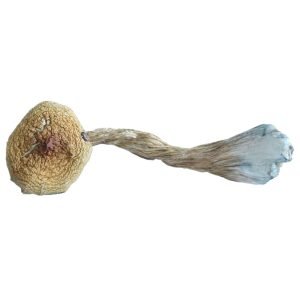
Dried Magic Mushrooms
Dried Magic Mushrooms
Dried Magic Mushrooms
Dried Magic Mushrooms
Dried Magic Mushrooms
Dried Magic Mushrooms