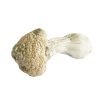
Buy Yeti Magic Mushrooms Online
Yeti Magic Mushrooms is a name used within mushroom communities for a distinctive variety associated with Psilocybe cubensis. The name generally refers to a community-recognized cultivated lineage rather than a separate mushroom species. Like many named P. cubensis varieties, Yeti has become known through mushroom culture, informal documentation, and discussions about fungal genetics and morphology.
The scientific species associated with the name is Psilocybe cubensis. This species belongs to the genus Psilocybe and has a well-established place within fungal taxonomy. Names such as Yeti are used to distinguish particular cultivated lineages or phenotypes, but they should not automatically be interpreted as formal taxonomic classifications.
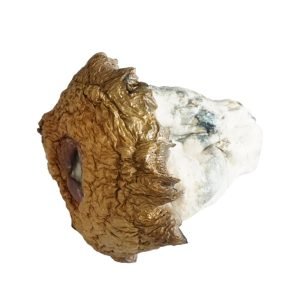
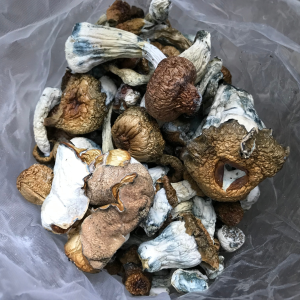
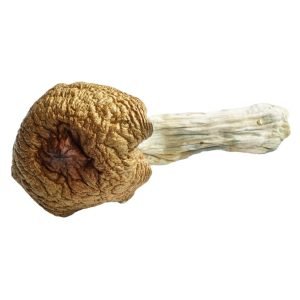
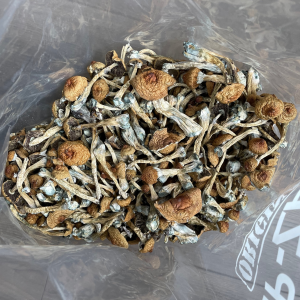
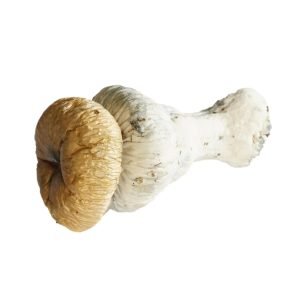
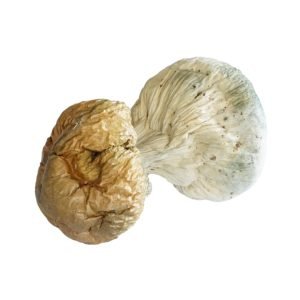
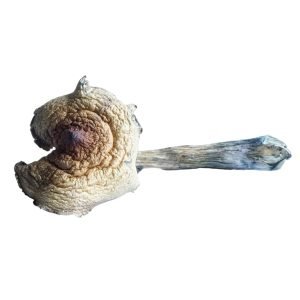
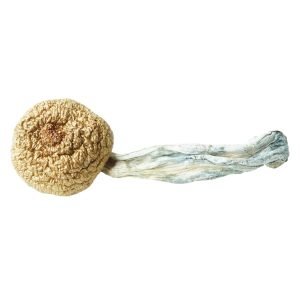
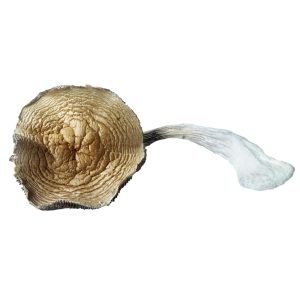
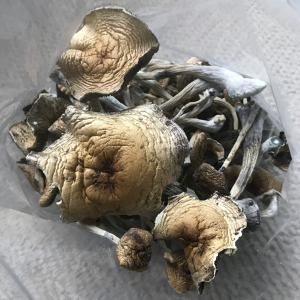
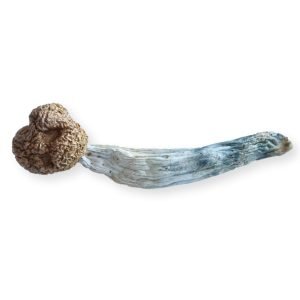
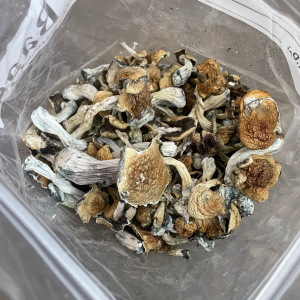
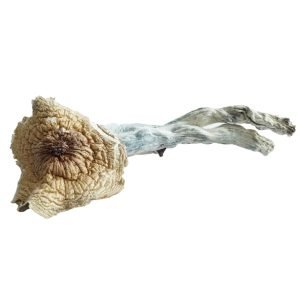
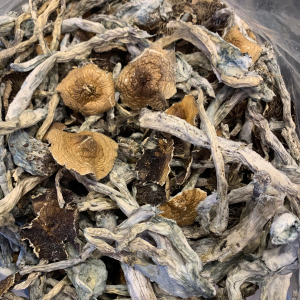
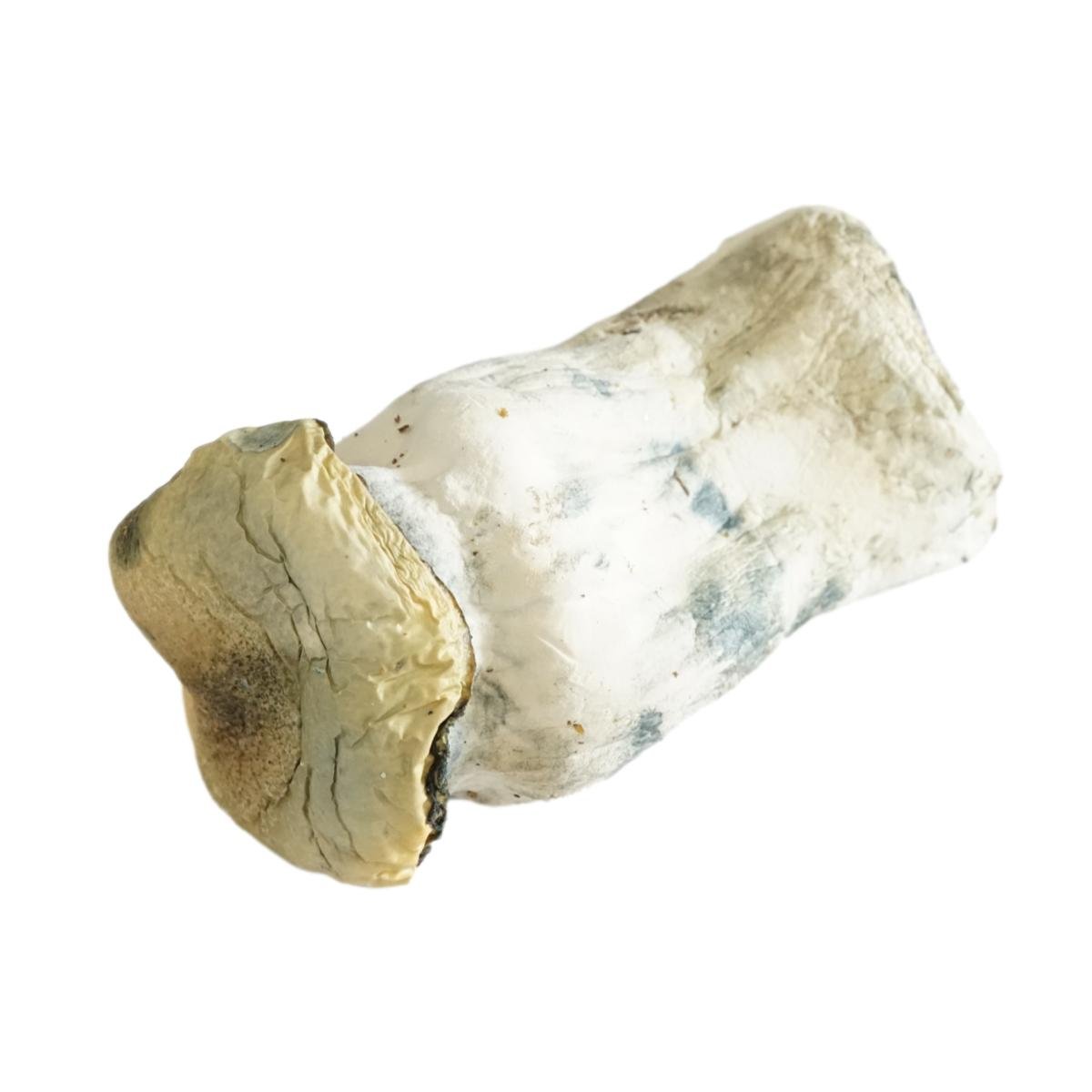
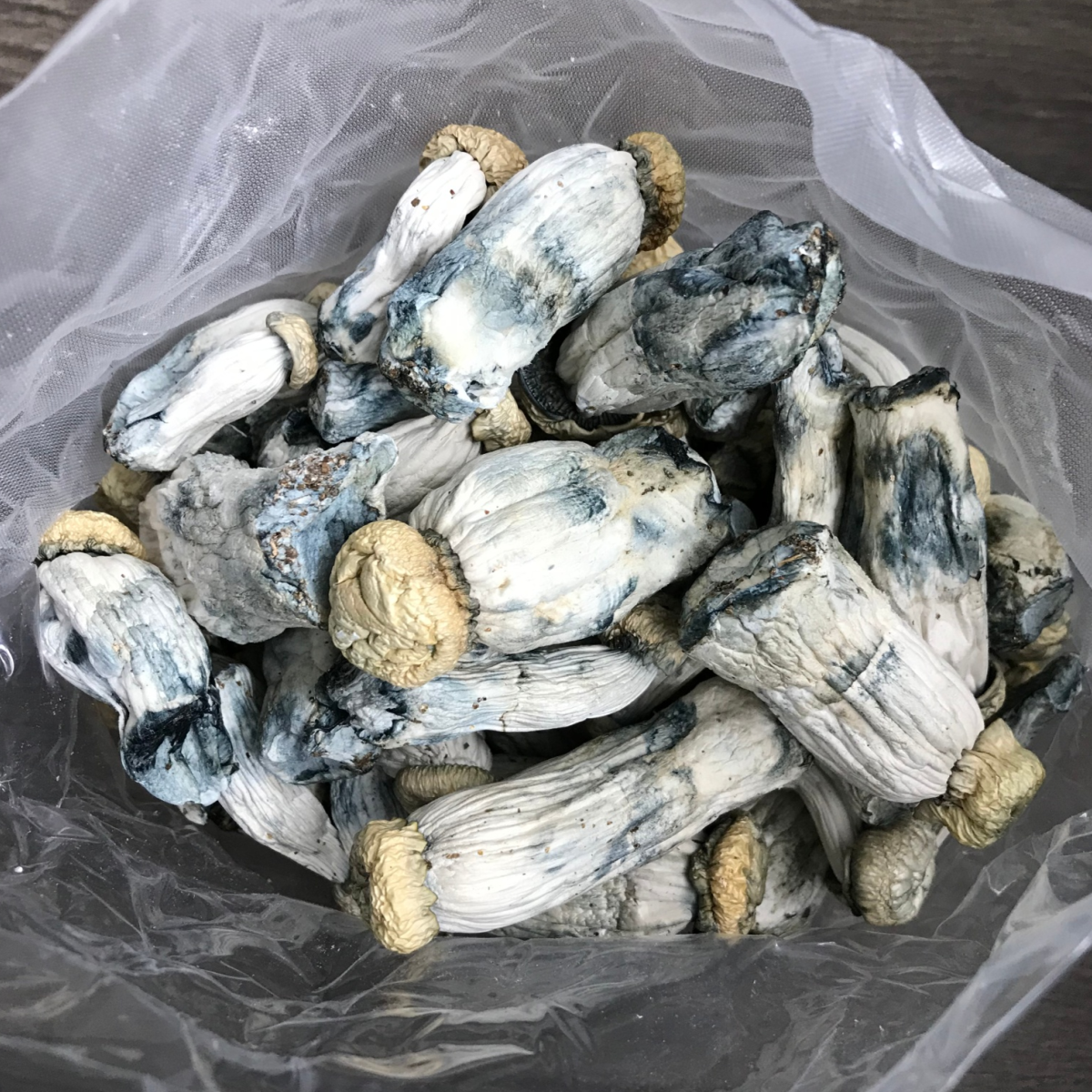
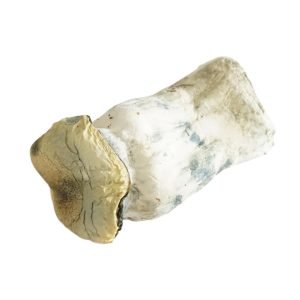
One of the notable characteristics associated with Yeti is its relatively pale appearance. Descriptions may include light-colored caps and stems, although the exact appearance of individual specimens can vary. Genetic differences, maturity, environmental conditions, and other biological factors can all influence pigmentation and overall morphology.
The background of Yeti Magic Mushrooms is not as thoroughly documented in scientific literature as the species Psilocybe cubensis itself. Much of the historical information surrounding named varieties comes from mushroom communities and cultivation records. Consequently, claims about the exact origin, ancestry, or development of the Yeti lineage should be treated as historical community accounts unless supported by independent scientific research.
Named varieties are an interesting part of modern fungal culture because they demonstrate how selective propagation can preserve particular characteristics. When growers repeatedly select specimens with certain traits, those characteristics may become associated with a recognizable lineage. However, specimens carrying the same community name are not necessarily genetically identical, especially when they have been maintained by different collections over time.
From a mycology perspective, Yeti provides an opportunity to examine several important concepts in fungal biology. These include phenotype, genetic variation, pigmentation, morphology, taxonomy, and the distinction between cultivated lineages and wild populations. Studying these concepts can help explain why varieties within the same species can develop visibly different characteristics.
It is also important to distinguish informal terminology from formal scientific classification. Terms such as “strain,” “variety,” “cultivar,” and “isolate” are often used interchangeably in online mushroom communities, even though they can have different meanings in biological and horticultural contexts. A community-recognized name therefore does not necessarily represent a standardized scientific category.
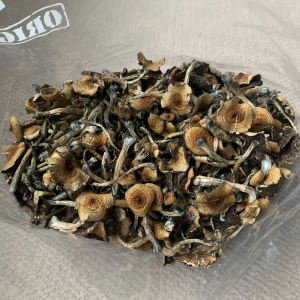
Visual identification also requires caution. Cap color, stem appearance, size, and other visible characteristics can vary considerably among individual mushrooms. Similar characteristics may occur across multiple Psilocybe varieties, meaning that appearance alone is not sufficient to establish a definitive identity.
For people interested in Yeti Magic Mushrooms as a mycology topic, useful areas of study include the history of named Psilocybe cubensis varieties, fungal genetics, morphology, pigmentation, spore characteristics, and the evolution of cultivated lineages. These topics provide a broader scientific context for understanding how community-recognized mushroom varieties develop and change over time.
Because Psilocybe cubensis contains psychoactive compounds, regulations concerning the species and related materials vary significantly between jurisdictions. Anyone researching Yeti or other Psilocybe varieties should verify the laws applicable to their location and rely on accurate scientific information.
Overall, Yeti Magic Mushrooms represents an interesting community-recognized Psilocybe cubensis lineage. Its pale appearance, variety history, and relationship to broader questions of fungal genetics and taxonomy make it a useful subject for educational mycology research.